

Explore Our Services
Wind & Microclimate








Snow & Ice
Rain, Sand, Aeroacoustics
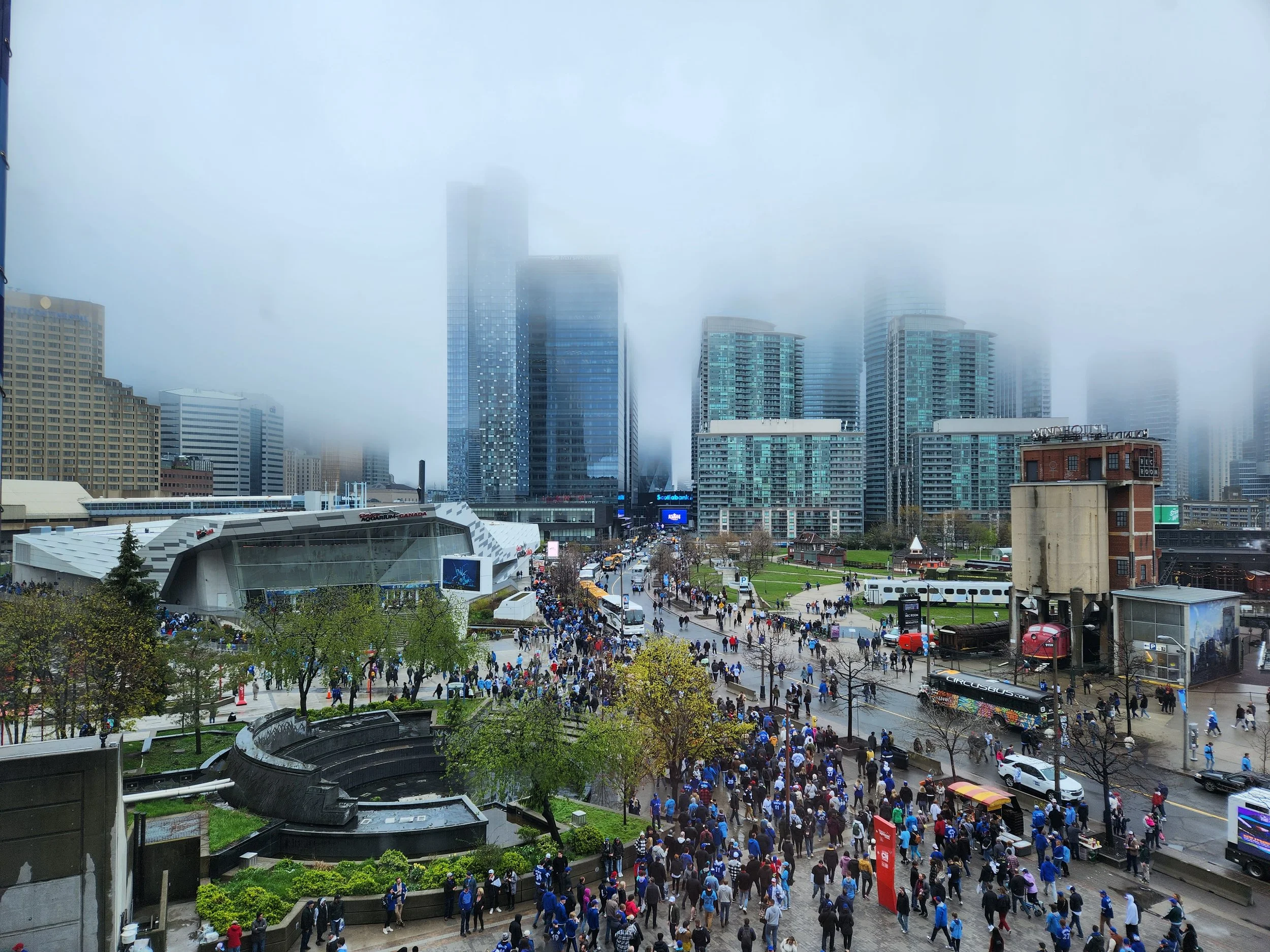
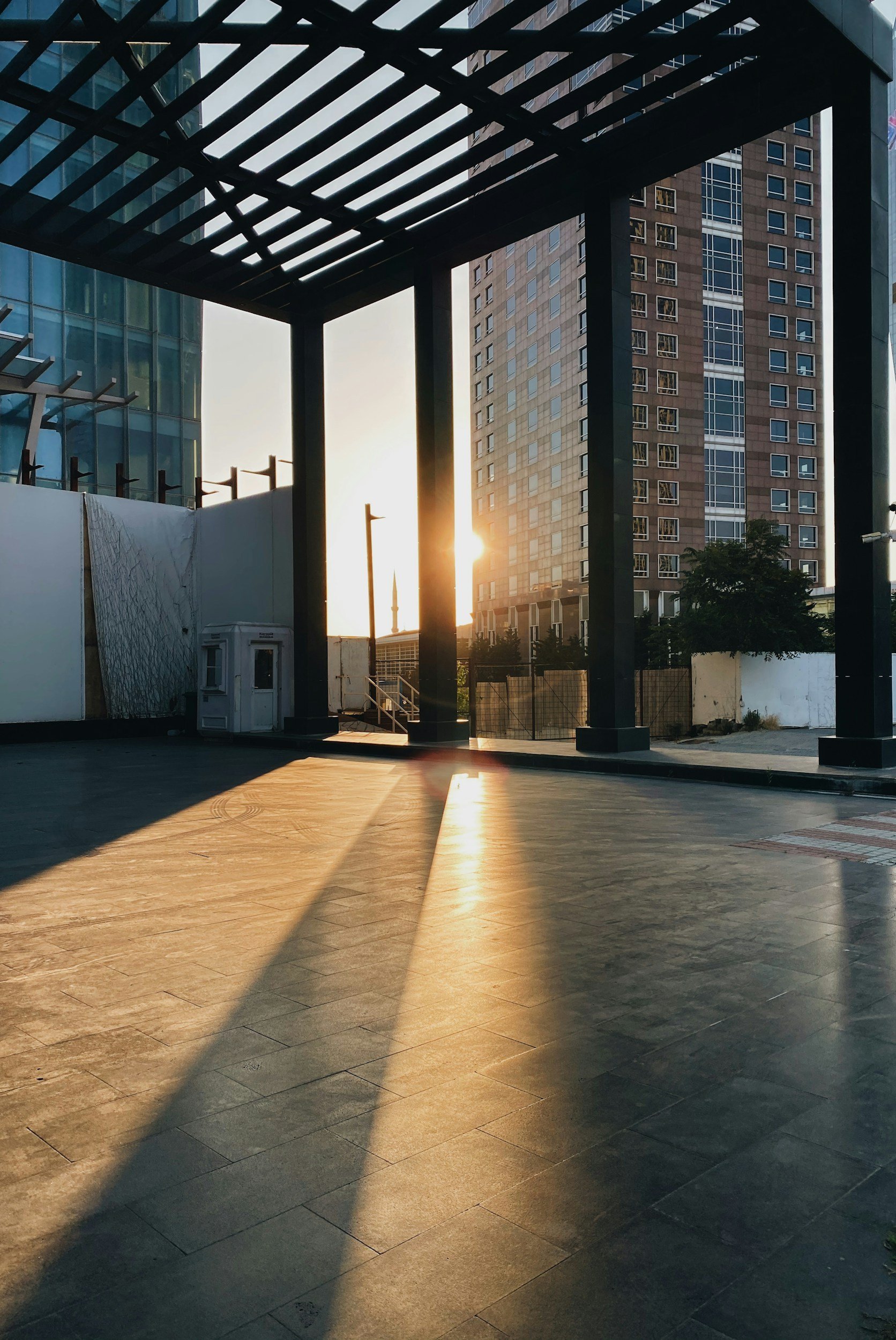
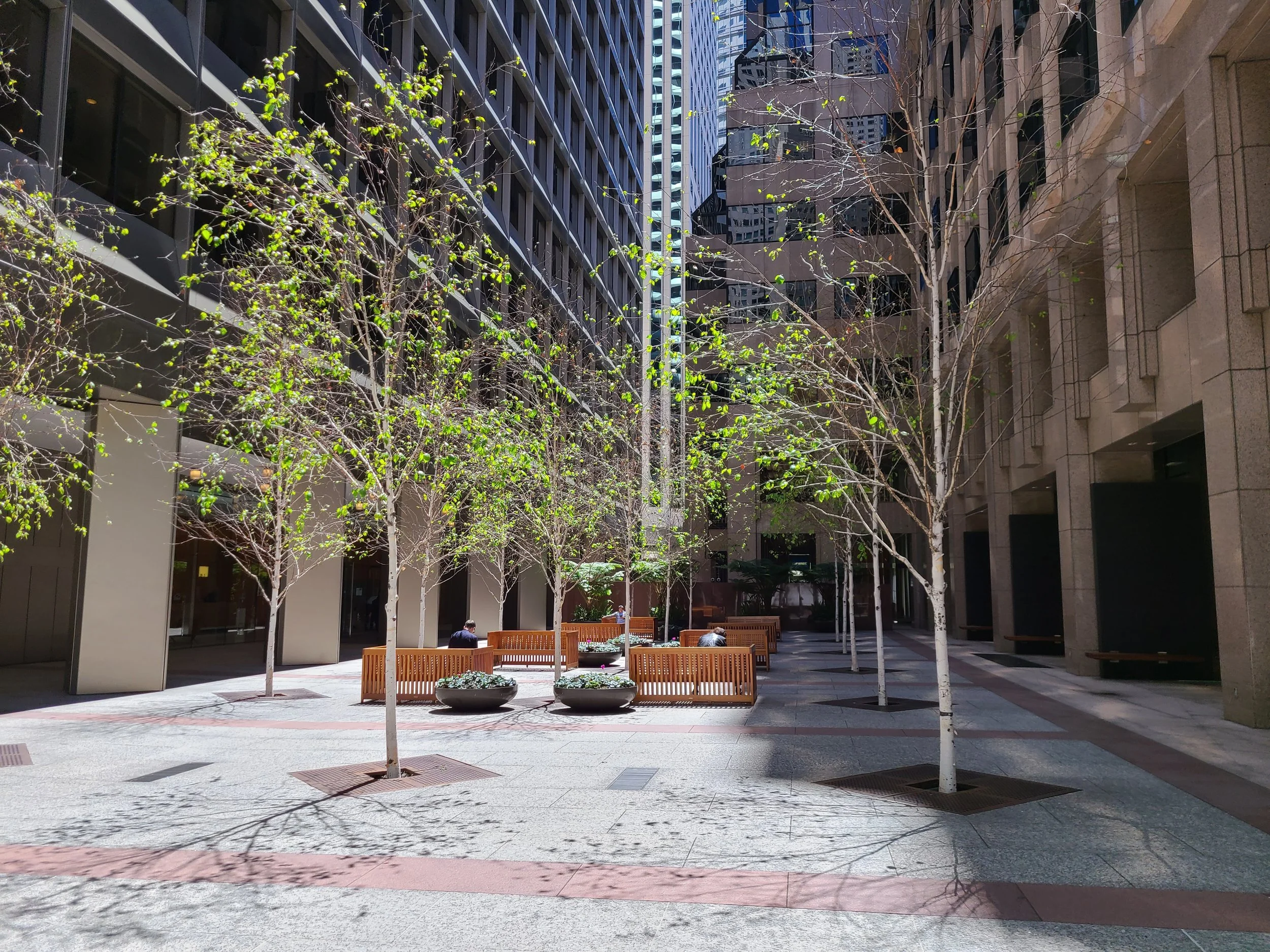
Pedestrian-Level Wind
We help design teams create outdoor spaces that feel as good as they look. Wind, sun, shade, heat, humidity, and seasonal transitions all shape how people experience the built environment. When these forces are understood—and intentionally shaped—projects become safer, more comfortable, and more usable throughout the year.
We provide a clear, data-driven understanding of how your development interacts with the local climate, and delivers practical, design-integrated strategies to elevate the pedestrian experience.
Our goal is simple:
Ensure your project performs comfortably and safely—for residents, visitors, and the broader public realm.
WHY CHOOSE US
We bring decades of combined experience in wind engineering, microclimate design, and winter-city environments. Our work is grounded in science, shaped by design, and focused on creating places people genuinely enjoy.
Whether it's an urban plaza, mixed-use development, campus, or stadium, we help you design outdoor spaces that perform beautifully—in all seasons.
WHAT WE DO
We evaluate how wind and microclimate will affect pedestrians at grade and throughout terraces, balconies, and outdoor amenity spaces. Using advanced modelling, site-specific climate data, and years of wind engineering experience and insight, we identify risks early and work collaboratively to refine massing, landscape design, and architectural elements.
WHERE WE ADD VALUE
Enabling Better Design
Inform massing and façade decisions to reduce wind impacts.
Optimize positioning of screens, canopies, planting, and wind-responsive landscape.
Unlocking Opportunities
Make challenging sites viable by mitigating microclimate issues.
Expand year-round usability of outdoor spaces.
Complying with Requirements
Support municipal wind comfort and safety reviews.
Demonstrate no adverse impacts on the public realm.
Improve operational safety in high-wind environments.
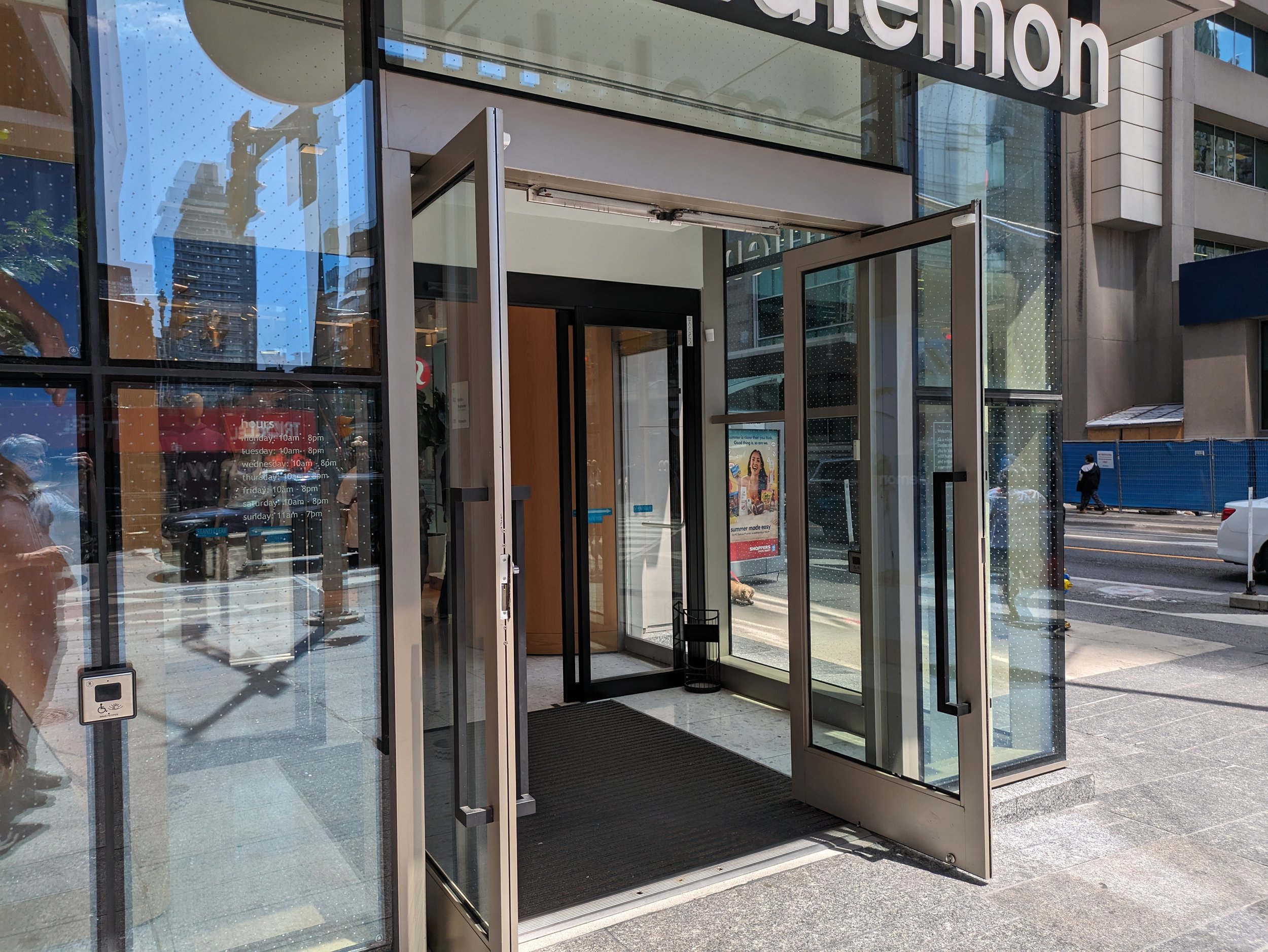
Door Operability
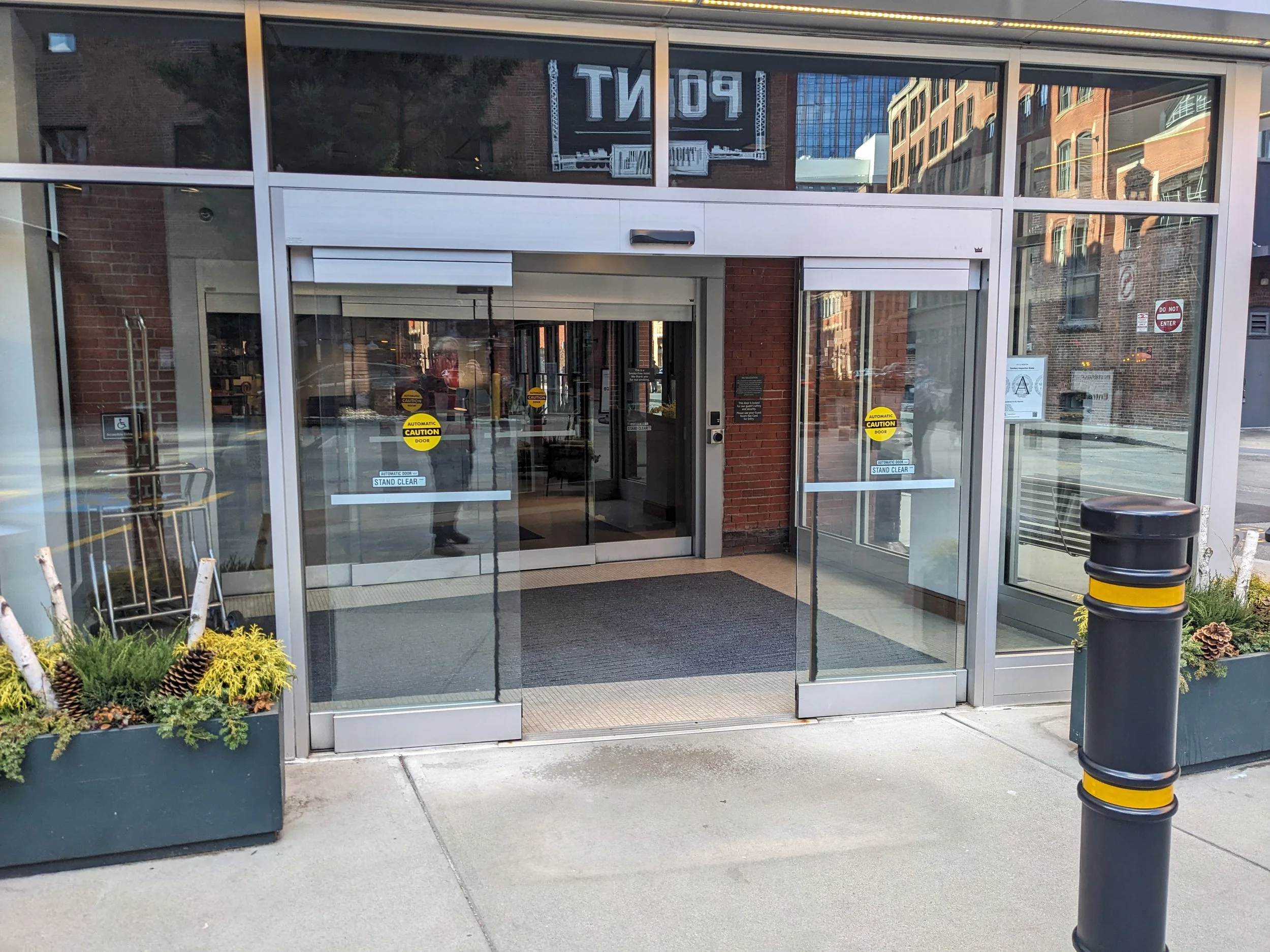
Exterior doors are a critical interface between people and buildings—but they are also directly exposed to wind. Under certain conditions, wind pressures can make doors difficult to open, cause them to drift or hover when they should remain closed, or slam shut more forcefully than the hardware was designed to handle. These effects influence accessibility, safety, energy performance, and the daily usability of a building.
At Tandem Wind & Snow we provide a rigorous, science-based assessment of exterior door operability, combining wind-driven pressure data with local climate conditions and the physical characteristics of each door to quantify true, real-world performance.
WHY CHOOSE US
We specialize in the interaction of wind with the built environment—offering a detailed, physics-driven approach to evaluating door performance. Our work blends aerodynamic expertise, climatic analysis, and practical design insight to ensure building entrances operate safely, comfortably, and predictably in real wind conditions.
With Tandem Wind & Snow, your entrances become reliable, accessible, and resilient—no matter the weather.
WHAT WE DO
We evaluate how wind pressures affect exterior door function—opening and closing forces, stability, and user effort—across a range of wind events and probabilities of exceedance. By integrating wind-tunnel-derived pressure coefficients, local climate data, and operational requirements, we provide a detailed understanding of when door operability issues are likely to occur and how they can be effectively mitigated.
Our analysis recognizes that not all doors serve the same purpose. Primary entrances, emergency exits, service doors, vestibule connections, and maintenance access points all demand different levels of reliability and user expectation.
WHERE WE ADD VALUE
Enabling Better Entry Design
Quantify realistic wind forces acting on doors.
Identify architectural or massing conditions that amplify wind forces.
Reducing Uncertainty for Designers
Provide performance thresholds using recurrence-interval-based analysis.
Compare mitigation strategies and their trade-offs.
Translate complex wind effects into clear, actionable decisions.
Complying with Requirements
Ensure entrances function properly during extreme and everyday conditions
Reduce user effort for barrier-free access,
Prevent unintended door movement and improved occupant safety.

Outdoor Thermal Comfort
Outdoor spaces succeed when they feel comfortable in the conditions people actually experience—not only in ideal weather, but across seasons, times of day, and microclimatic transitions. Sun, shade, wind, humidity, surface materials, and building geometry all shape perceived comfort at the pedestrian level. When these factors are not understood, otherwise well-designed spaces can become too hot, too cold, too exposed, or simply underutilized.
We provide a rigorous, climate-informed evaluation of outdoor thermal comfort to help design teams create spaces that support year-round usability, safety, and enjoyment.
WHY CHOOSE US
We specialize in the intersection of wind, climate, and human comfort in the built environment. Our work combines advanced environmental analysis with practical design insight—helping teams create outdoor spaces that feel inviting and perform beautifully across the year.
With Tandem Wind & Snow, outdoor comfort becomes intentional, predictable, and human-centered—not left to chance.
WHAT WE DO
We assess how pedestrians experience temperature, wind, sun, shade, and humidity across plazas, terraces, entrances, pathways, and outdoor amenity spaces. By integrating local weather data, solar modelling, wind flow analysis, and established comfort indices (e.g., UTCI), we produce a detailed understanding of how microclimate conditions evolve throughout the day and across seasons.
Our work helps architects and developers refine massing, shade strategies, landscape design, and material choices to create environments that perform reliably in real-world conditions.
WHERE WE ADD VALUE
Supporting Better Design Outcomes
Optimize massing, orientation, and façade strategies.
Improve shade provision, canopy design, and landscape planning.
Balance wind mitigation with thermal comfort needs.
Enabling High-Performing Public Realm
Increase year-round usability of plazas, courtyards, and terraces.
Improve comfort conditions for outdoor seating, retail spill-out, and amenity programming.
Enhance walkability and accessibility in all seasons.
Reducing Design Uncertainty
Provide evidence-based comfort predictions using climate and occupant-response models.
Clarify compliance with municipal comfort criteria or design guidelines.
Translate complex microclimate interactions into clear, practical design guidance.
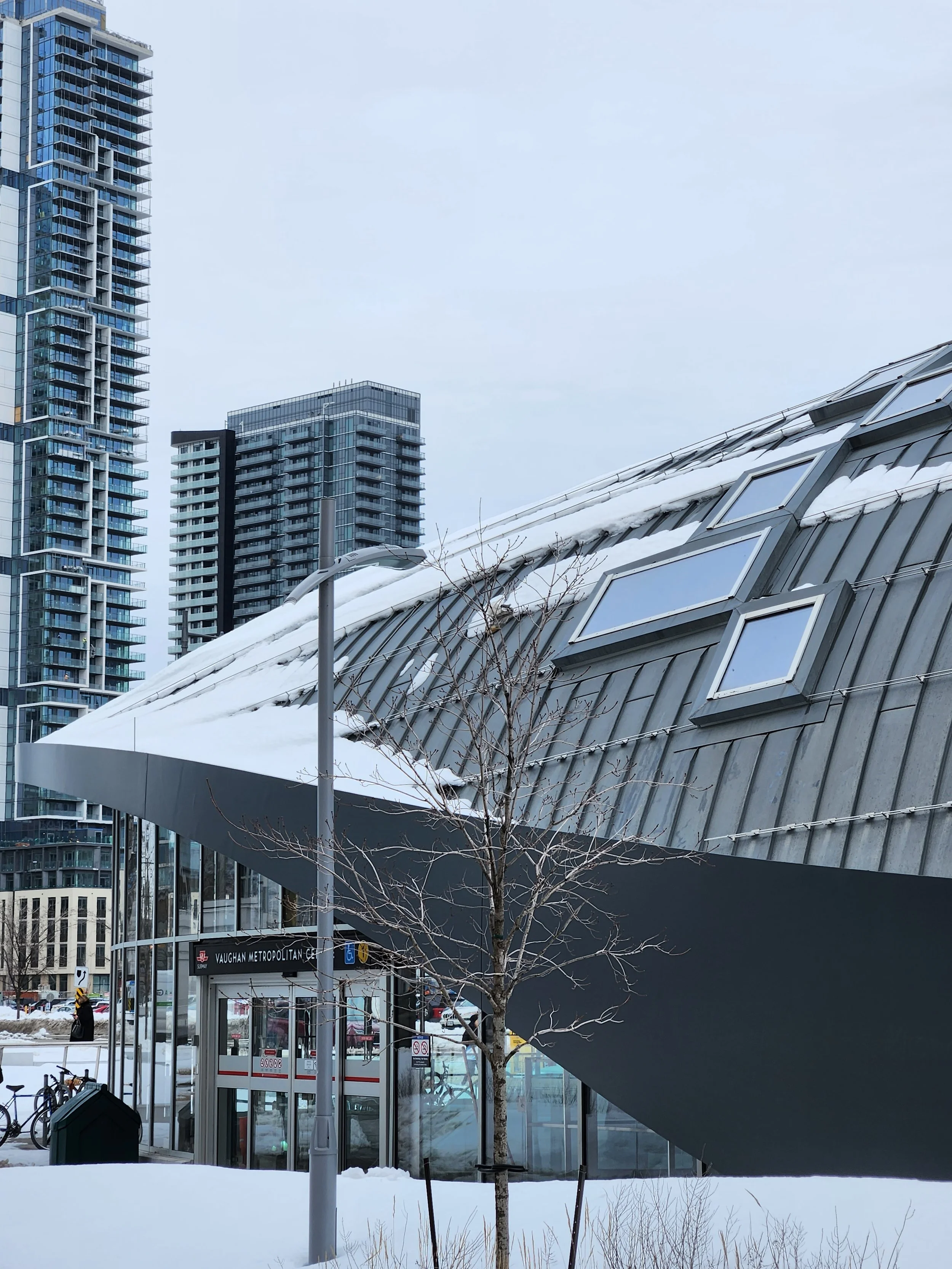
Falling Ice & Snow
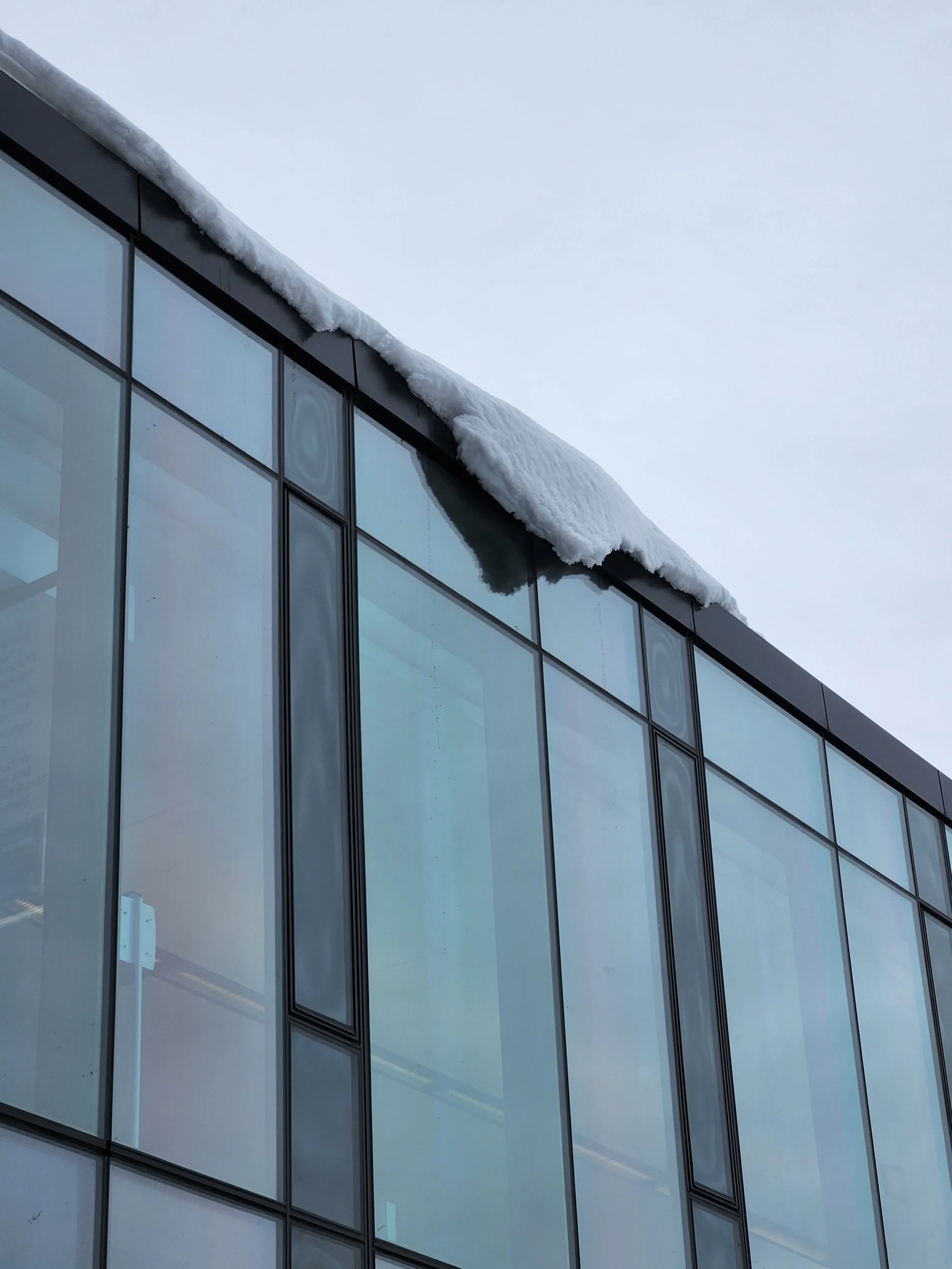
In cold climates, developing buildings that safely manage roof shedding, icicle formation, and falling snow loads is essential. Even modest amounts of ice or compacted snow can fall from height with damaging force—posing risks to pedestrians, vehicles, building operations, and adjacent properties.
We help design teams anticipate, model, and mitigate these hazards long before they become liabilities. Our falling ice and snow assessments provide a rigorous understanding of where hazards originate, how they move, and who or what they may impact. The result: safer buildings, fewer operational disruptions, and risk-informed design decisions.
WHY CHOOSE US
We specialize in wind and winter microclimate engineering in the built environment. Our falling ice and snow assessments combine sound physics, winter operations expertise, and design collaboration—ensuring your building performs safely and predictably throughout the freeze–thaw season.
With Tandem Wind & Snow, winter hazards become manageable, foreseeable, and fully integrated into design.
WHAT WE DO
We evaluate how snow and ice accumulate, melt, refreeze, creep, and shed from rooftops, façades, overhangs, canopies, and architectural features. Using climate data, heat-balance analysis, roof geometry evaluation, and wind-driven transport modelling, we identify potential shedding zones and translate them into practical, mitigation-focused guidance.
Our objective is to help architects, structural engineers, and building owners eliminate uncertainty and reduce risk—without compromising design intent.
WHERE WE ADD VALUE
Enabling Safer Building Design
Identify shedding-prone geometries early in design.
Support refinement of roof slopes, parapets, snow fences, and drainage strategies.
Evaluate how solar exposure, heat loss, and wind affects melt freeze cycles.
Reducing Liability and Operational Risk
Reduce risk to pedestrians, vehicles, amenity spaces, and storefront operations.
Provide defensible, model-supported assessments suitable for regulatory review.
Avoid costly retrofits by addressing issues proactively.
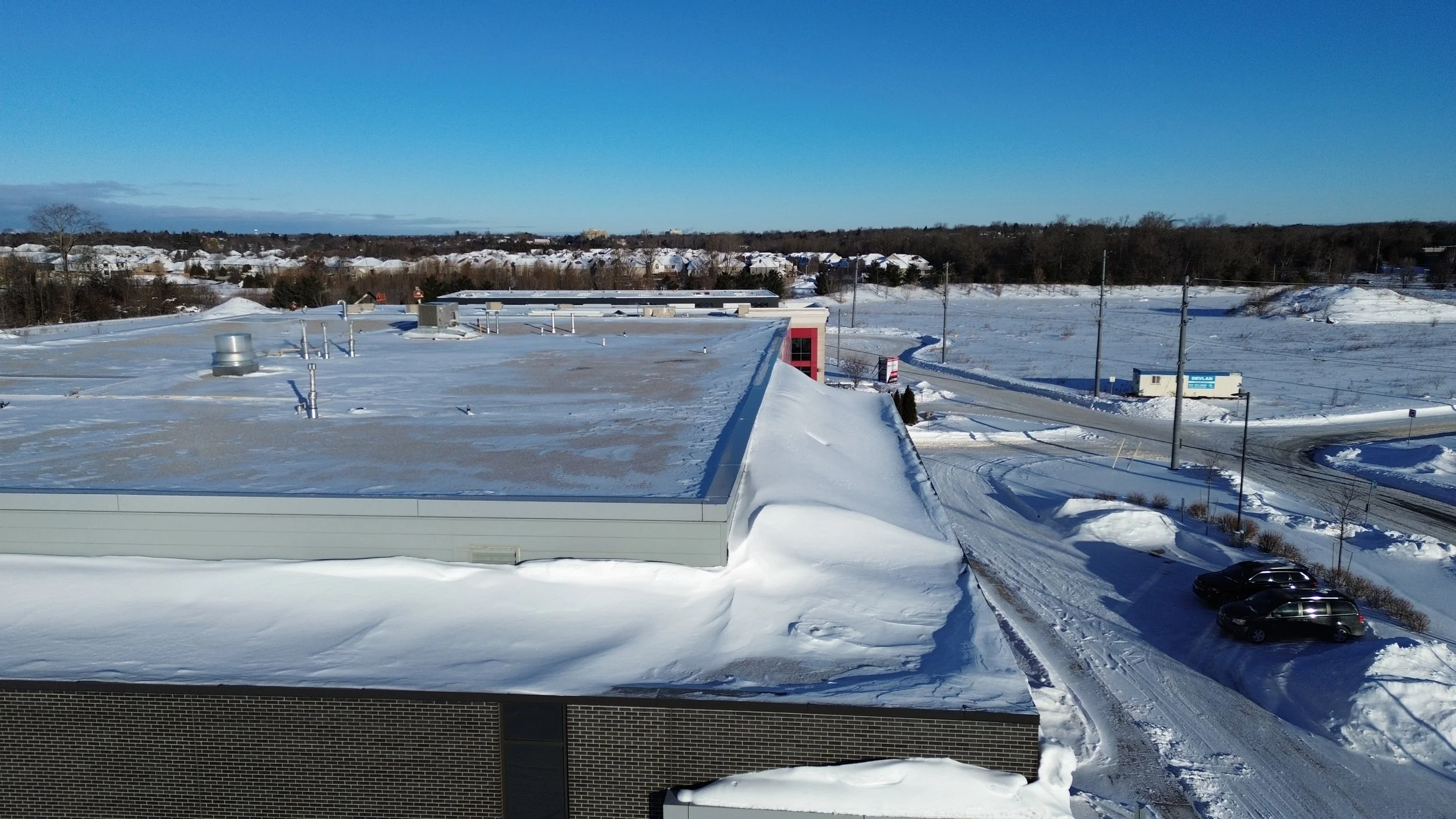
Structural Snow Loading
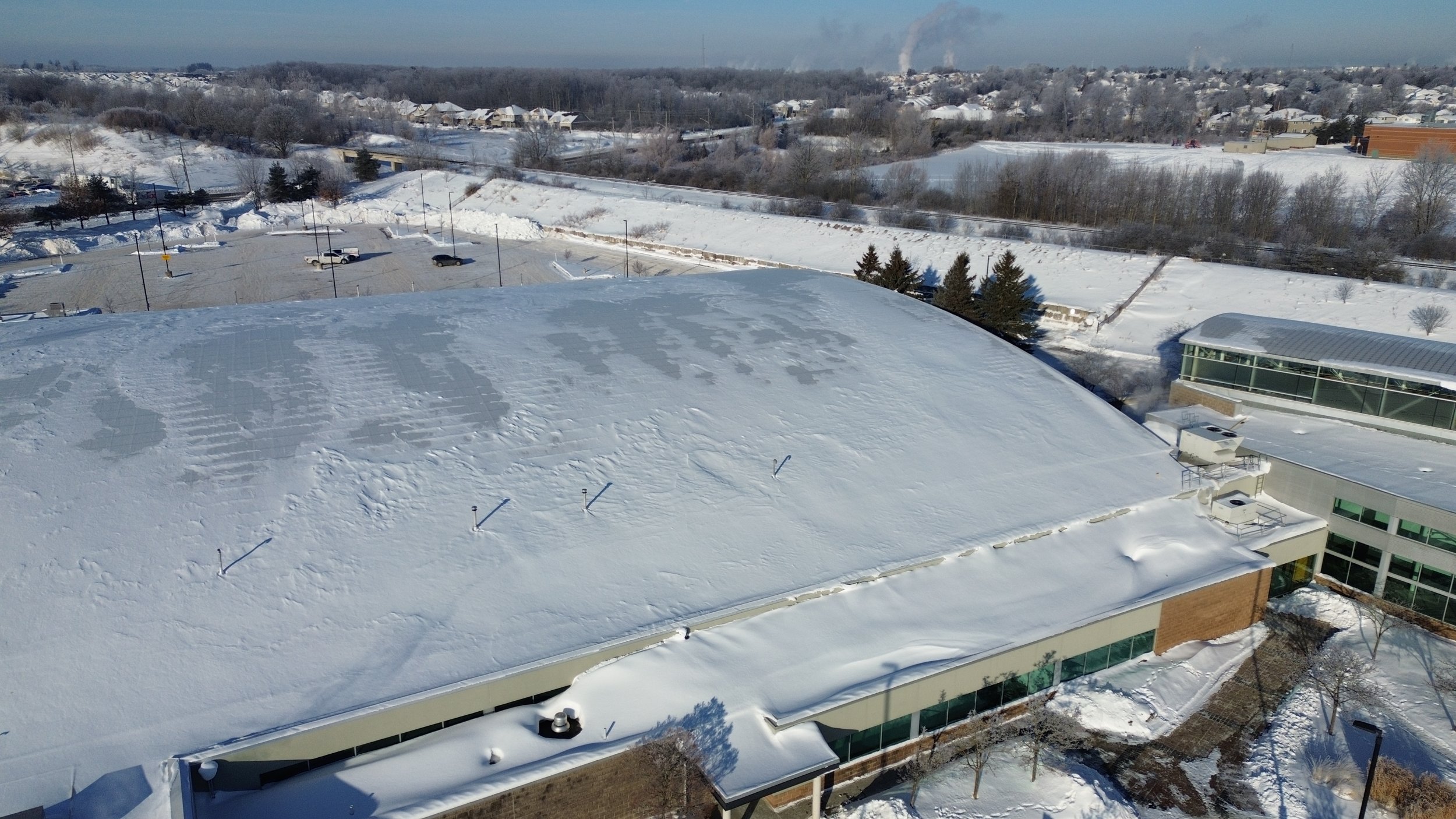
Wind-driven snow interacts with building massing in highly complex ways. Subtle changes in form, height, and exposure can dramatically influence where snow accumulates on a roof—and how much load the structure must carry. At Tandem Wind & Snow, we help design teams anticipate and control these patterns so roofs perform safely and predictably throughout the winter season.
We evaluate how local wind climate, building geometry, and upstream structures combine to pick up, transport, and deposit snow on roof surfaces. The result: clear, defensible loading scenarios that support structural design, reduce uncertainty, and ensure roofs remain resilient in real winter conditions.
WHY CHOOSE US
We specialize in the physics of wind and snow interaction in the built environment. Our work blends engineering rigor with practical winter performance insight—ensuring your roof system is designed for the conditions it will truly face.
With Tandem Wind & Snow, structural snow loading becomes clear, predictable, and defensible—not a source of uncertainty.
WHAT WE DO
We map how snow drifts form on roofs, podiums, canopies, mechanical platforms, and multi-level building interfaces. Our analysis combines high-resolution climate data, aerodynamic drift modelling, and deep expertise in Canadian winter loading patterns.
Whether supplementing code-prescribed methods or developing custom, site-specific drift load cases, our objective is to give structural engineers the confidence they need to design safe, efficient, and reliable roof systems.
WHERE WE ADD VALUE
Enabling Better Design
Provide accurate, physics-based drift shapes and load magnitudes.
Support structural optimization by reducing reliance on over-conservative assumptions.
Identify atypical accumulations not captured well by code provisions.
Supporting Embodied Carbon Reduction and Improving Resilience
Reduce snow-clearing needs through passive, aerodynamic solutions.
Keep service yards, pathways, and key doors naturally freer of snow.
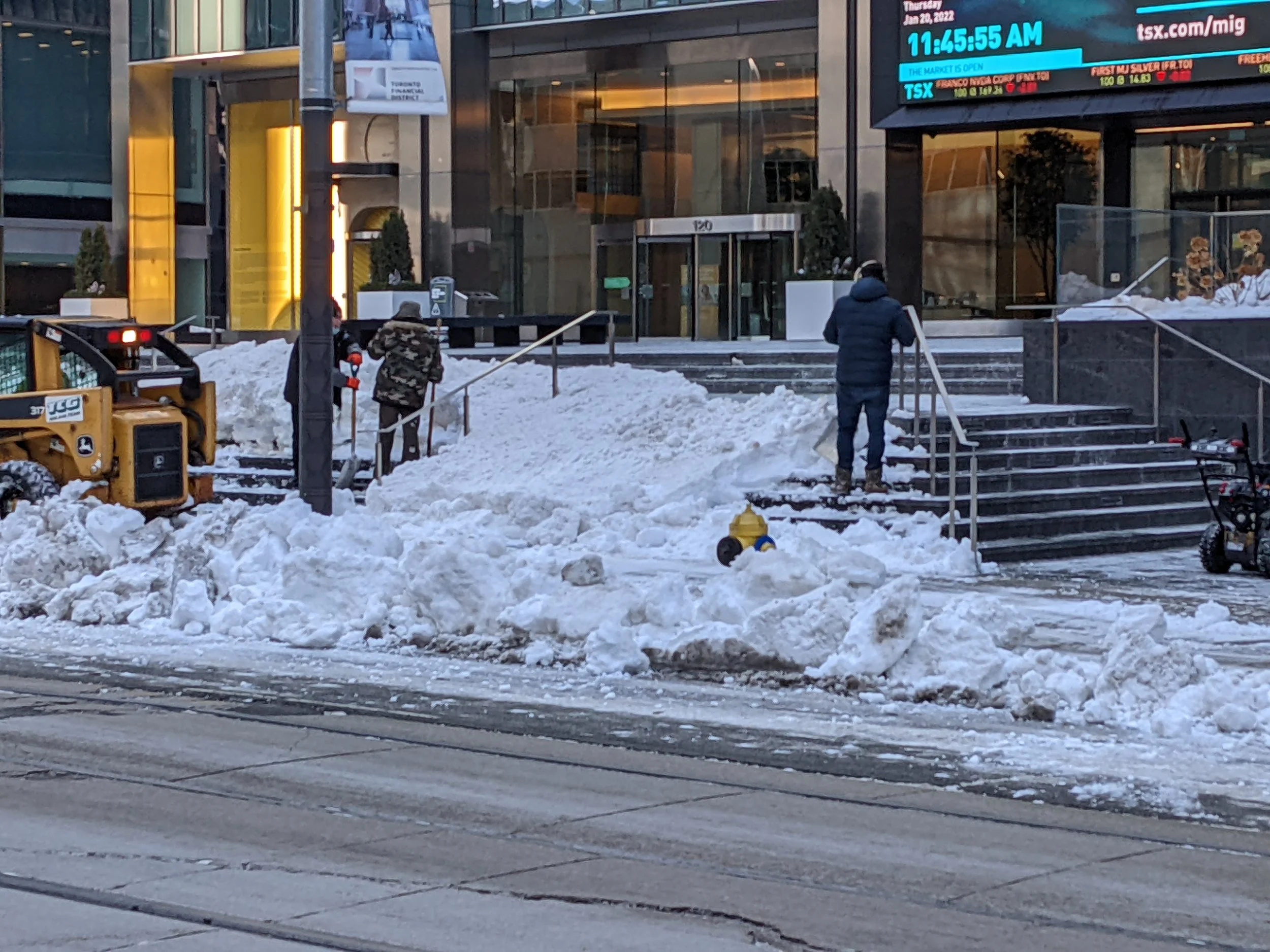
Ground Snow Drifting
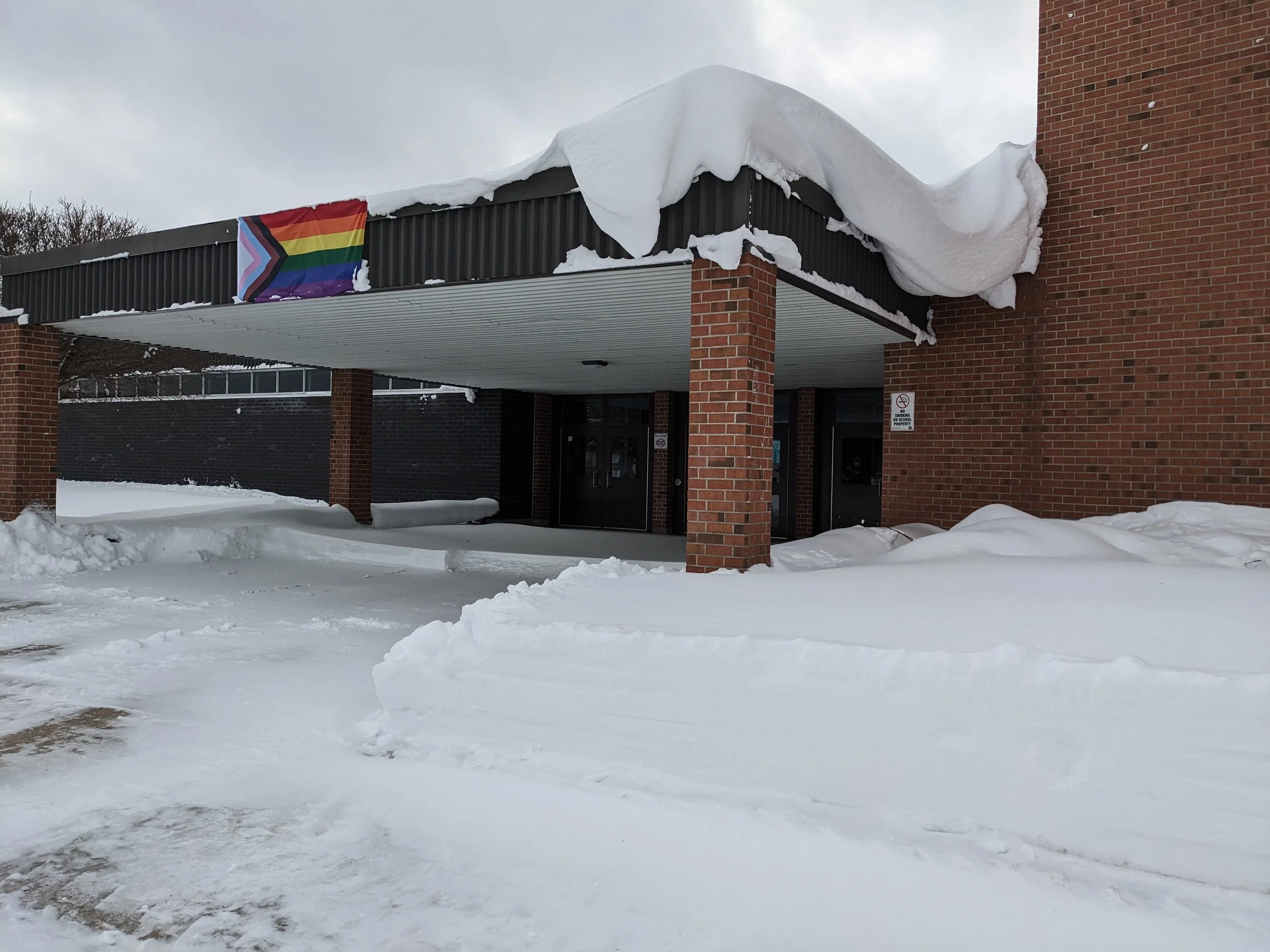
Wind-driven snow behaves in complex ways around buildings and landscapes. Small adjustments in form, exposure, and ground-level features can dramatically change where drifts accumulate—or where critical routes stay clear.
We help design teams understand and shape these patterns so that winter operations, safety, and accessibility remain reliable all season long. We evaluate how local wind climate interacts with site geometry to pick up, transport, and deposit snow. The result: clear, actionable strategies that reduce maintenance burdens, prevent blocked access, and ensure safe circulation for pedestrians, vehicles, and building operations.
WHY CHOOSE US
We specialize in wind and snow interaction in built environments—combining engineering rigor with a practical understanding of winter operations. Whether you’re designing an urban plaza, a northern municipal facility, a campus, or a remote industrial site, we help ensure your project performs reliably in real winter conditions.
With Tandem Wind & Snow, the winter microclimate becomes a design opportunity—not a liability.
WHAT WE DO
We map how snow drifts form around buildings, plazas, drive aisles, mechanical yards, doorways, and wind-exposed sites. Our analysis combines high-resolution climate data, aerodynamic snow-transport modelling, and deep experience working in winter-city environments across Canada and the United States.
Our objective is to help you make informed decisions early—before drifting becomes a costly operational or safety issue.
WHERE WE ADD VALUE
Enabling Better Design
Refine site layout, massing, and openings to manage drifting patterns.
Optimize the placement of screens, vegetation, berms, and wind-responsive landscape.
Improve performance of building envelopes and mechanical systems in snow-prone regions.
Unlocking Operational Efficiency
Reduce snow-clearing needs through passive, aerodynamic solutions, keeping service yards, pathways, and key doors naturally freer of snow.
Supporting Safety and Compliance
Maintain clear emergency egress routes.
Reduce slip-and-fall hazards caused by drifting and scouring.
Provide defensible, model-supported evidence for winter operations planning.
Mechanical Snow Ingestion
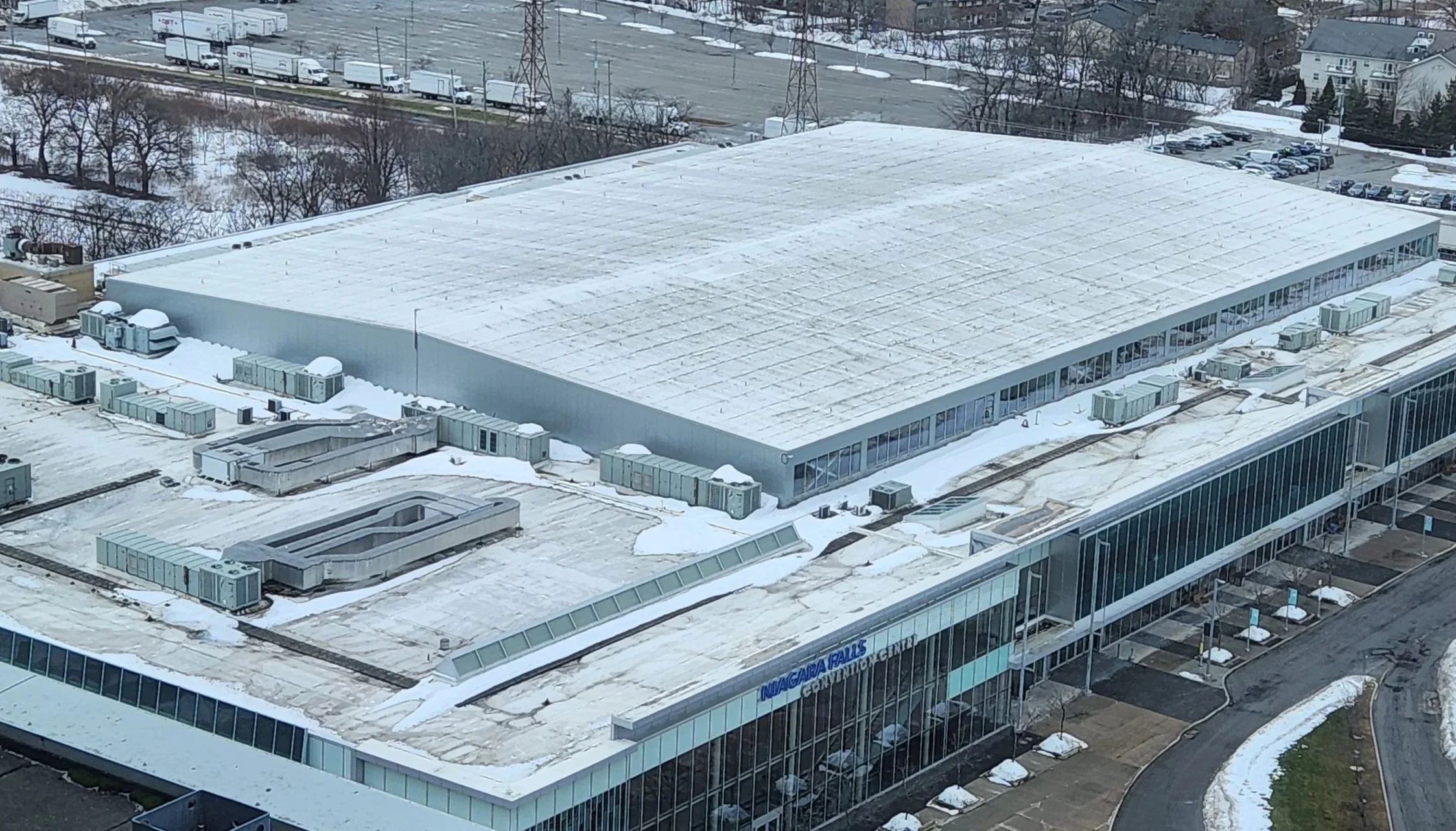
Mechanical systems, intakes, and rooftop equipment are highly exposed to winter weather—and snow ingestion is one of the most overlooked risks in cold-climate building design. Wind-driven snow can be entrained into intake streams, accumulate within housings, clog filters, compromise ventilation performance, and introduce moisture where no moisture is acceptable. In severe cases, ingestion can trigger equipment shutdowns, freeze-up events, corrosion, or loss of indoor environmental control.
We provide a rigorous assessment of mechanical snow ingestion risk, combining winter microclimate modelling, aerodynamic snow-transport analysis, and mechanical system requirements to help project teams design systems that remain reliable and resilient throughout the winter season.
WHY CHOOSE US
We specialize in understanding how winter weather interacts with the built environment—including the critical, often overlooked interfaces between wind, snow, and mechanical systems. Our assessments combine engineering rigor, cold-climate expertise, and practical design insight to help ensure uninterrupted performance—even in extreme winter conditions.
With Tandem Wind & Snow, your mechanical systems stay reliable, resilient, and protected from the realities of snow and wind.
WHAT WE DO
We evaluate how snow behaves around mechanical intakes, exhausts, louvers, rooftop units, heat pumps, cooling towers, and service enclosures. By integrating wind flow modeling with winter storm characteristics and equipment geometries, we identify how snow is transported, where it enters intake streams, and which operational conditions are most vulnerable to ingress.
Our goal is to help designers prevent system failure, reduce maintenance burdens, and improve mechanical reliability in harsh winter environments.
WHERE WE ADD VALUE
Improving Mechanical System Reliability
Identify high-risk intake orientations, louver configurations, and placement strategies.
Reduce system shutdowns, freeze risks, and maintenance interventions.
Support resilient design for schools, healthcare, industrial, and northern facilities.
Enabling Better Coordination
Inform mechanical–architectural placement of intakes, screens, parapets, and penthouses.
Evaluate rooftop massing decisions that affect airflow recirculation.
Optimize the relationship between mechanical layout and local winter microclimates.
Providing Defensible, Performance-Based Guidance
Quantify ingestion risk across representative winter storm conditions.
Evaluate mitigation strategies, trade-offs, and operational considerations.
Deliver clear evidence suitable for design reviews, commissioning, and operations teams.
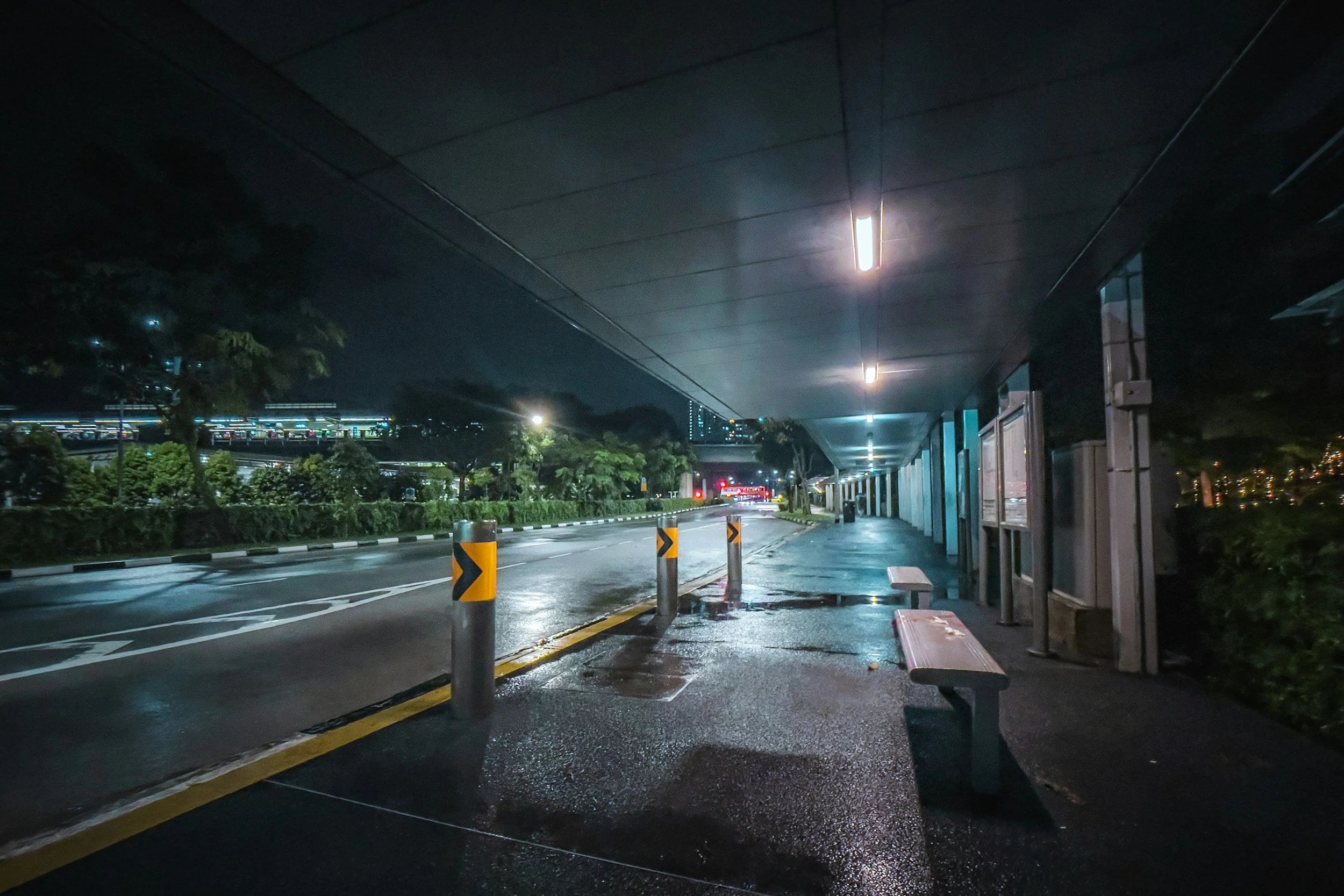
Wind Driven Rain
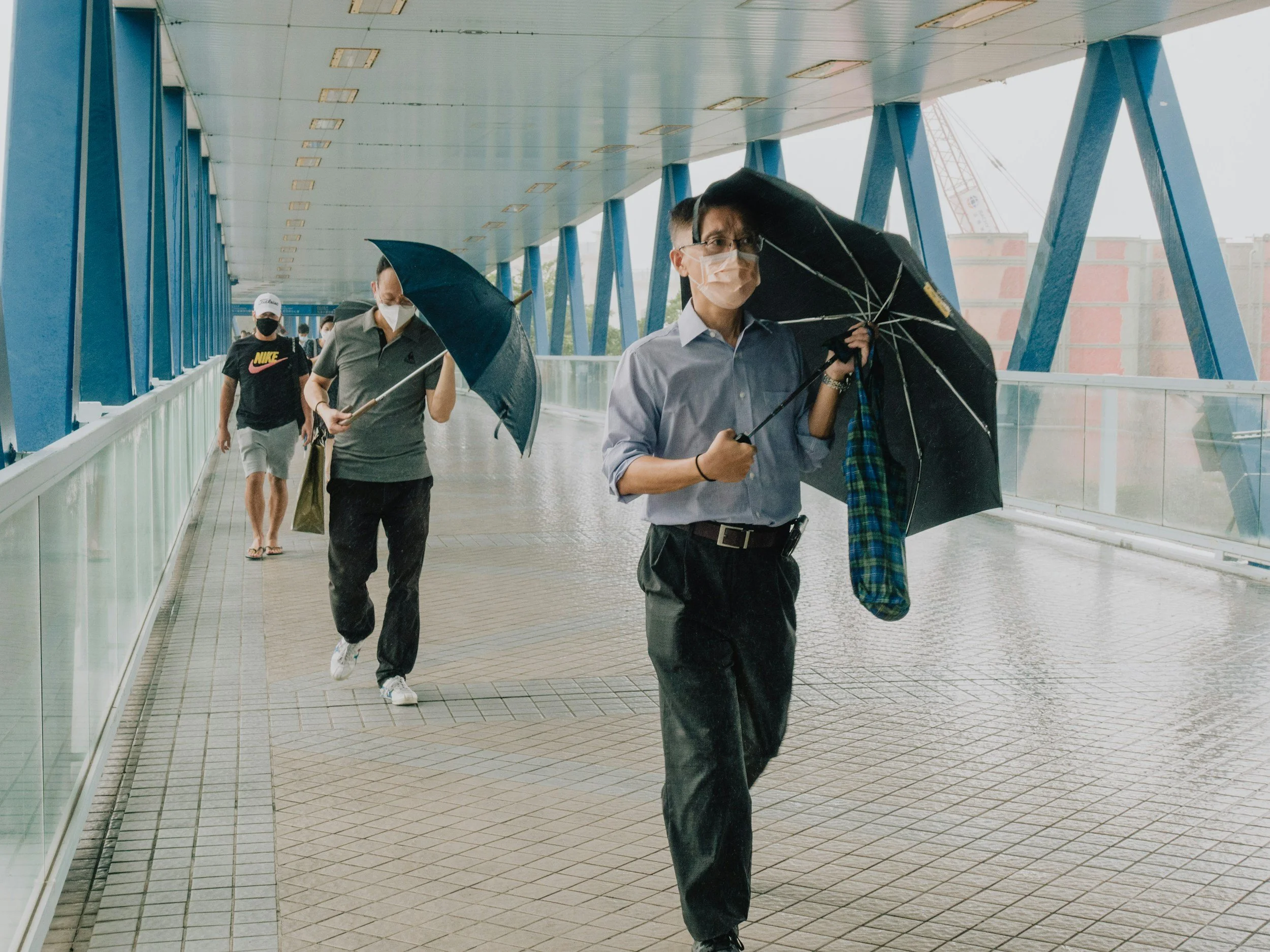
Rain rarely falls straight down. When combined with wind and complex building geometry, rain can be carried horizontally, upward, or deep beneath canopies—creating uncomfortable, unsafe, or unusable outdoor spaces. Wind-driven rain can turn plazas, entrances, terraces, and amenity areas into wet, exposed environments that discourage use, affect accessibility, and undermine the intent of otherwise well-designed public spaces.
We assess how wind-driven rain affects people—not just buildings. Our analysis helps design teams understand where rain will impact pedestrians and how outdoor spaces can be shaped to remain comfortable, functional, and inviting during real weather events.
WHY CHOOSE US
We specialize in understanding how wind and weather shape the human experience of outdoor space. Our wind-driven rain assessments combine microclimate engineering with pedestrian-focused design insight—helping teams create places that remain comfortable, safe, and usable in real weather, not just fair conditions.
With Tandem Wind & Snow, rain becomes a design input—one that can be managed, mitigated, and planned for with confidence.
WHAT WE DO
We evaluate how rain interacts with wind flow, building massing, and site features to affect pedestrian-level conditions. By combining local wind and rainfall data with aerodynamic modelling, we identify where rain is likely to be blown into walkways, under canopies, across seating areas, and into amenity spaces.
Our work focuses on improving usability, comfort, and safety of outdoor environments—supporting better design decisions early in the project lifecycle.
WHERE WE ADD VALUE
Improving Pedestrian Comfort and Safety
Reduce wet, exposed walking conditions.
Minimize slip hazards in high-traffic areas.
Support barrier-free and accessible routes.
Enhancing Outdoor Amenity Performance
Increase usability of plazas, patios, terraces, and shared amenity spaces.
Improve comfort at seating, retail spill-out zones, and gathering areas.
Support year-round or shoulder-season activation of outdoor spaces.
Supporting Design Confidence
Provide clear evidence of how rain will behave at pedestrian level.
Compare design options and canopy strategies.
Reduce post-occupancy complaints and retrofit risk.
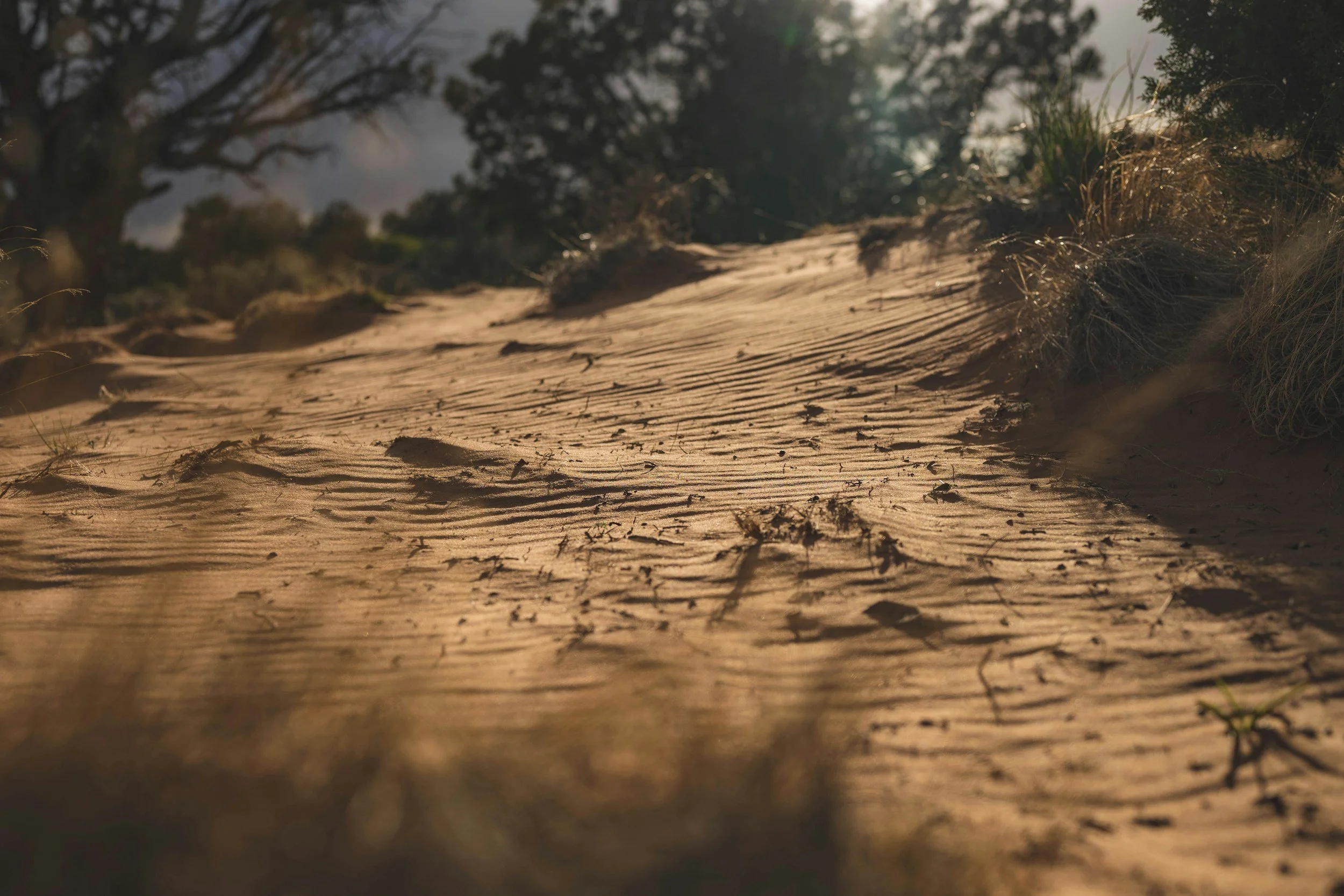
Sand Drifting
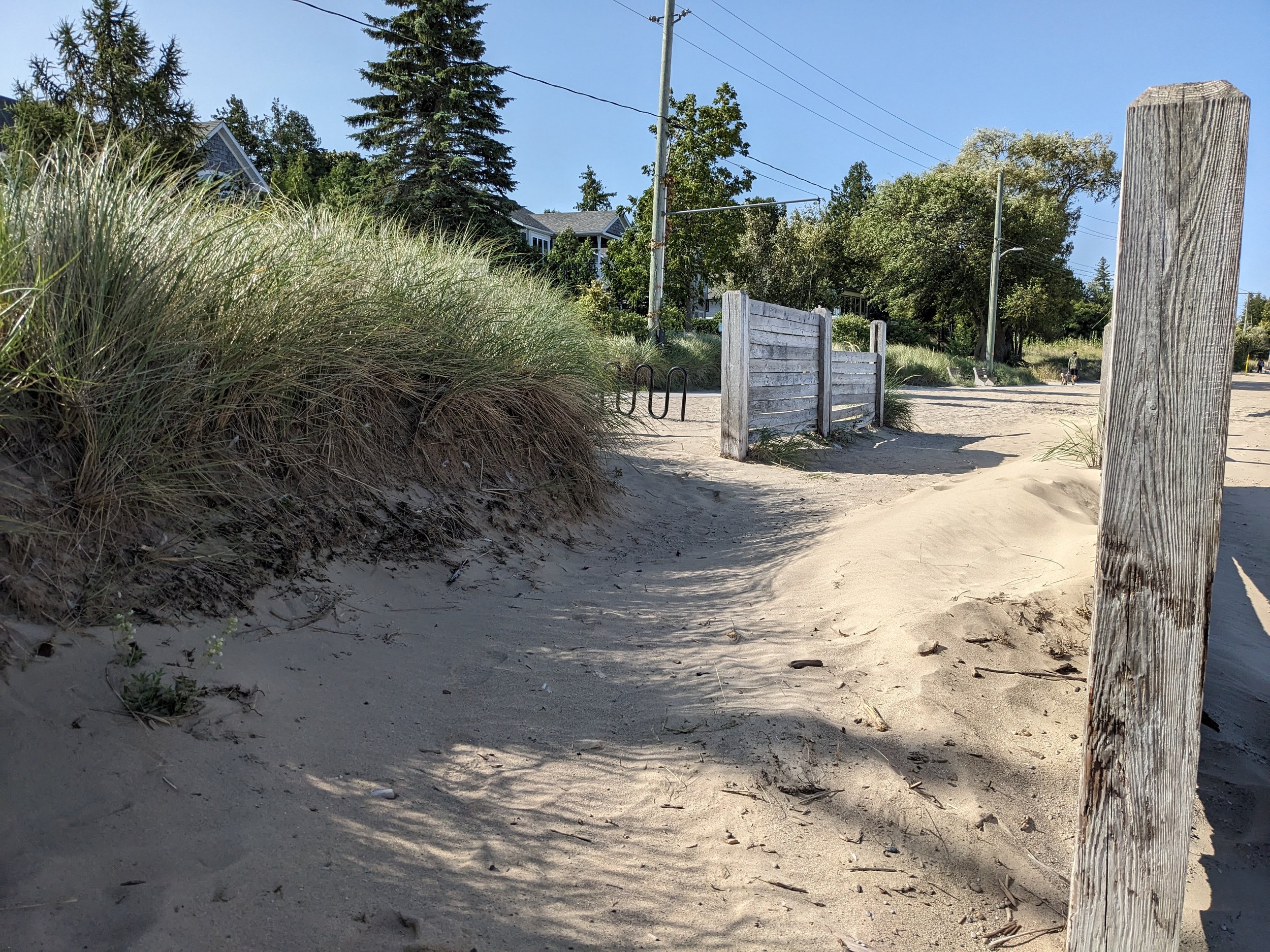
Wind-blown sand behaves much like snow—but with very different implications for building performance, durability, and site operations. In exposed or arid environments, drifting sand can accumulate rapidly around structures, infiltrate building openings, erode façade materials, disrupt mechanical systems, and obstruct access routes. Even low-intensity transport can create operational challenges when allowed to build up over time.
We provide detailed sand drifting assessments to help design teams understand how aeolian transport interacts with site geometry. Our work identifies where sand will accumulate, where surfaces will be scoured, and how to mitigate performance risks before they affect the usability, safety, or longevity of the site.
WHY CHOOSE US
We specialize in understanding the interaction between wind, particles, and the built environment. Our sand drifting assessments blend aerodynamic science, climate insight, and practical design guidance to help project teams anticipate risks and build environments that remain functional, safe, and durable—even under persistent drifting conditions.
With Tandem Wind & Snow, sand becomes a manageable design parameter—not a recurring operational challenge.
WHAT WE DO
We evaluate how sand is picked up, transported, and deposited by wind near buildings, infrastructure, and public spaces. By integrating wind climate data, surface roughness characteristics, and aerodynamic modelling, we reveal drifting patterns and develop practical mitigation strategies tailored to both new developments and existing facilities.
Our objective is to reduce operational burdens, prevent safety issues, and support resilient design in regions where sand is a notable environmental factor.
WHERE WE ADD VALUE
Supporting Resilient Site & Building Design
Optimize building placement, massing, and orientation.
Improve grading, pathways, landscaping, and protective elements.
Reduce sand accumulation in high-traffic or operational areas.
Reducing Maintenance Burden & Risk
Minimize manual sand removal efforts.
Keep roads, walkways, and operational zones clear.
Provide defensible analysis for long-term facility planning.
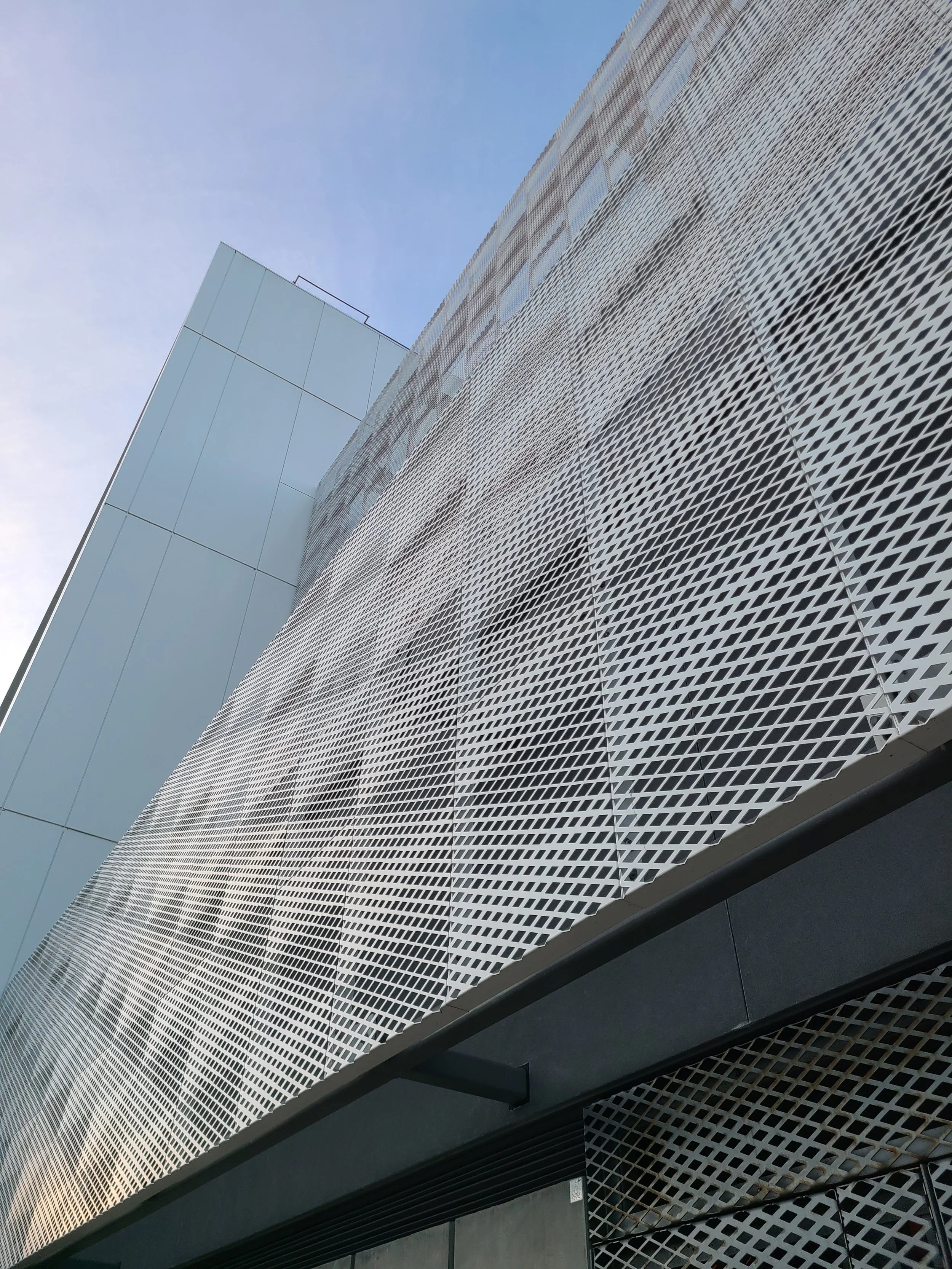
Aeroacoustics
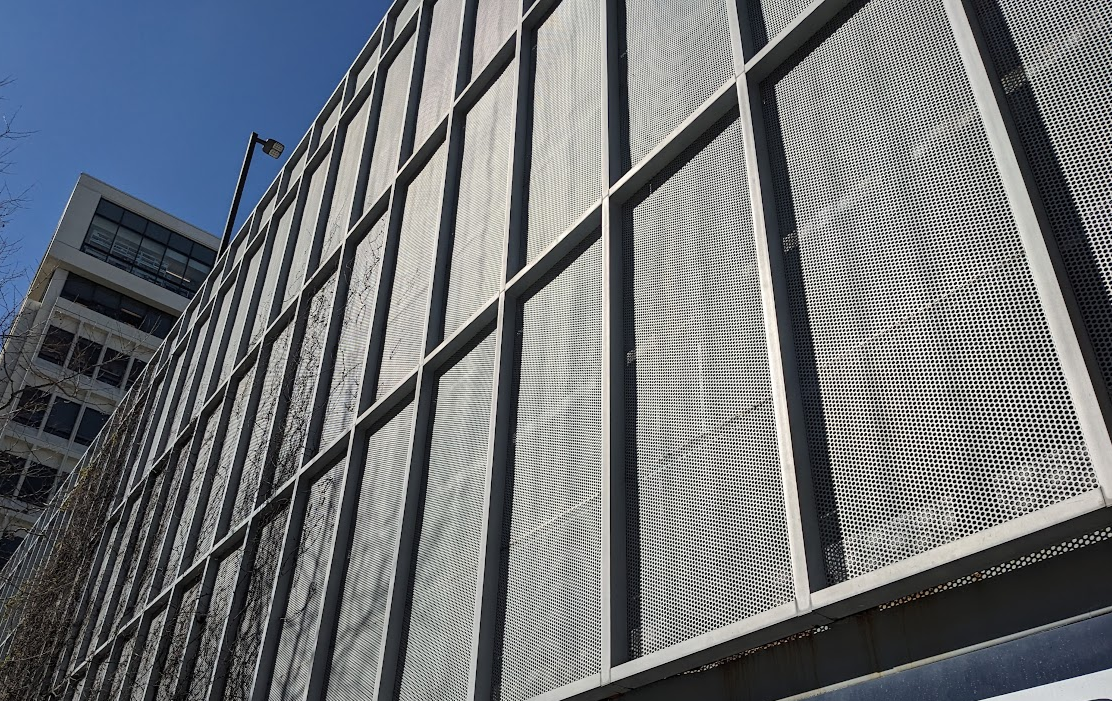
Wind interacting with buildings and site features can generate unwanted noise—sometimes subtle, sometimes disruptive, and occasionally severe. Whistling façades, humming balcony rails, vibrating screens, and tonal noise from rooftop equipment can all affect occupant comfort, outdoor amenity use, and even building performance. These issues often emerge only after construction, when addressing them becomes costly and difficult.
We specialize in identifying, predicting, and mitigating wind-induced noise through a combination of aerodynamic analysis, acoustic principles, and microclimate expertise. Our assessments help project teams understand how design choices influence noise generation and ensure that buildings perform quietly in real-world wind conditions.
WHY CHOOSE US
We bring combined expertise in wind engineering, microclimate analysis, and building science—allowing us to understand not just the aerodynamic cause, but the acoustic implications of design decisions. Our aeroacoustics assessments are grounded in physics, tailored to real-world conditions, and focused on preventing occupant discomfort and operational issues.
With Tandem Wind & Snow, your project benefits from a quieter, more comfortable, and more predictable built environment.
WHAT WE DO
We evaluate how wind flows around architectural elements, identifying features that may shed vortices, resonate, or amplify aerodynamic noise. Using computational modelling, wind-tunnel data, and acoustic analysis, we predict noise levels, identify likely sources, and develop strategies to eliminate or reduce them.
Our work supports both new construction and existing buildings experiencing unexplained or intermittent noise issues.
WHERE WE ADD VALUE
Supporting Quieter, More Comfortable Buildings
Predict aerodynamic noise generation early in design.
Validate façade or screen concepts before installation.
Enhance usability of outdoor amenity spaces with better acoustic microclimates.
Reducing Risk and Mitigate Complaints
Identify problematic elements and propose effective modifications.
Provide defensible analysis to guide remediation for existing buildings.
Prevent post-occupancy surprises and costly retrofits.
Enhancing Design Collaboration
Work closely with architects to refine façade articulation, balcony design, and detailing.
Balance visual intent with aerodynamic performance.